WildGut for Dogs UK Reviews Natural Gut Support for Your Wild Gut Pet
Digestive comfort is a big deal for dogs. When a dog’s gut is off-balance, you often see it quickly: loose stools, smelly gas, bloating, picky eating, low energy, itchy skin, or a general “not themselves” vibe. In the UK, more dog owners are exploring daily gut-support supplements to help their pets feel settled—especially during food changes, stress, travel, after antibiotics, or when a dog has a sensitive stomach.
WildGut for Dogs UK (also written as Wild Gut) is marketed as a canine digestive support supplement designed to help maintain a healthy gut environment. The brand positions WildGut as a blend of gut-friendly ingredients that may support digestion, stool consistency, nutrient absorption, and overall wellness. Click Here To Buy Now
This article is a UK-focused, practical guide covering:
What WildGut for Dogs is meant to do
Why dog gut health matters
Ingredients commonly listed for WildGut and what they’re generally used for
How to use WildGut (realistic timelines, routines, and tips)
Safety warnings and who should speak to a vet first
How to evaluate whether it’s the right option for your dog in the UK
Important: This is educational content, not veterinary advice. If your dog has persistent diarrhoea, blood in stool, repeated vomiting, sudden weight loss, severe lethargy, or signs of pain, contact a vet promptly.
What Is WildGut for Dogs?
WildGut is presented as a digestive health supplement for dogs that aims to support gut balance and overall vitality. The “official site” messaging typically frames it as a daily supplement that supports digestion, microbiome balance, and comfort.
You may see the name written in different ways, including:
WildGut
Wild Gut
WildGut™ / Wild Gut™
Because supplement branding and web storefronts can vary, the smart move is to judge the product by:
the exact label you’re buying (ingredients + directions), and
the seller credibility and customer policies (returns, contact details, shipping, etc.).
Why Gut Health Matters So Much for Dogs
A dog’s digestive system isn’t just “where food goes.” It’s tightly connected to:
Nutrient absorption and energy
Immune response (a large portion of immune activity is linked to the gut)
Skin and coat condition
Stool quality and comfort
Mood and stress resilience
When the gut microbiome (the community of bacteria and other microbes in the digestive tract) is balanced, dogs are more likely to have:
consistent stool
less gas and bloating
steadier appetite
better overall comfort
Veterinary guidance sources commonly explain that probiotics (beneficial microorganisms) may be useful for dogs during stress, dietary changes, illness, or after antibiotics, and may help with diarrhoea and intestinal inflammation in certain cases.
Signs Your Dog Might Need Digestive Support
Many UK dog owners start looking for a supplement like WildGut when they notice one or more of these patterns:
Soft stool or intermittent diarrhoea
Excessive gas or smelly wind
Bloating or rumbling stomach
Occasional constipation or irregular stool
Low appetite or picky behaviour
Licking paws, itchy skin, or coat dullness (sometimes linked to food sensitivity or gut imbalance)
Nervous stomach during travel, grooming, fireworks season, boarding, etc.
Recovery after a course of antibiotics
Some of these symptoms can be mild and temporary. Others can signal food intolerance, parasites, infection, pancreatitis, inflammatory bowel issues, or other medical conditions—so if symptoms persist, don’t “supplement your way” around a vet visit.
What WildGut for Dogs UK Claims to Support
Across WildGut-branded pages, the common positioning is that it supports:
digestion and gut balance
nutrient absorption
overall wellness/vitality
You might also see marketing language around:
less gas
better stool
calmer belly
improved energy or comfort
Treat those as possible outcomes rather than guarantees. Every dog responds differently based on diet, age, breed, stress levels, and underlying health.
WildGut Ingredients: What’s Listed and Why They’re Used
One important point: online listings for “WildGut” vary by site and region. The most reliable reference is the ingredient list on the product you have in your hand.
That said, one WildGut UK “official site” ingredient section lists botanicals and supportive compounds such as curcuminoid extract, hydrolyzed collagen, green tea extract, licorice root, ginger root powder, slippery elm bark, and fennel (and more).
Below is a helpful explanation of what these ingredients are commonly used for in digestive-support contexts.
1) Slippery Elm Bark
Slippery elm is often used as a soothing botanical. In pet wellness circles, it’s commonly discussed for digestive comfort, especially when a dog has an irritated tummy (always check suitability with your vet, especially if your dog is on medication).
2) Ginger Root Powder
Ginger is widely known for supporting digestion and helping settle nausea. In dogs, it’s sometimes included in gut-support blends to help with stomach comfort and normal digestive function.
3) Fennel
Fennel is traditionally used for digestion and may be included in formulas aimed at reducing digestive discomfort and supporting normal gut motility.
4) Licorice Root
Licorice root appears in some digestive blends for its soothing properties. Caution: licorice can interact with certain health conditions and medications, and high amounts may not be appropriate for all dogs—especially dogs with blood pressure issues. Always follow label directions and consult a vet if unsure.
5) Curcuminoid Extract (Turmeric Component)
Curcuminoids (from turmeric) are often included for general wellness support. Some canine supplement commentary notes there is “some evidence” for curcumin in dogs, but outcomes can vary and research isn’t always definitive.
6) Green Tea Extract
Green tea extract is sometimes used for antioxidant support. It should be dosed carefully in pets. If you see this on a label, make sure the product is made specifically for dogs and follow directions precisely.
7) Hydrolyzed Collagen
Collagen is commonly used in pet supplements for general support (often skin/joints). In gut formulas, it may be positioned as part of “gut lining” support messaging.
If the WildGut version you’re buying lists probiotics, beneficial yeast, or enzymes, that aligns with typical gut-support supplement design—probiotics help support microbial balance and enzymes may support digestion of food components. Some WildGut pages describe it in those terms.
How Probiotics May Help Dogs
Probiotics are beneficial microorganisms that can support digestive balance. Pet health resources often describe potential benefits such as:
supporting digestive health and immune function
helping manage diarrhoea in some cases
supporting intestinal balance during stress or diet changes
Key idea: probiotics are not “magic bacteria” that fix everything overnight. They’re more like daily support—especially effective when paired with a steady routine and a diet that suits your dog.
WildGut for Dogs UK: How to Use It Properly
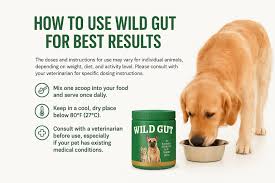
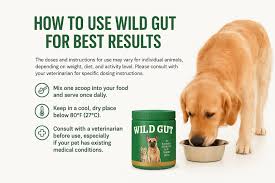
Always follow your product label. Since WildGut may be offered in different formats (for example, liquids, chews, powders, etc. depending on seller), dosing and timing can differ.
Best-practice routine for most gut supplements
Here’s the most practical approach many dog owners follow:
Start slow for the first few days
If the label allows flexibility, some owners begin with a smaller amount to see how their dog tolerates it (especially sensitive dogs). Then they move to the full serving.Give it at the same time daily
Consistency helps you evaluate whether it’s working.Give with food if your dog has a sensitive stomach
This can help reduce the chance of mild digestive upset.Keep diet steady while testing
If you change food at the same time you start a supplement, you won’t know what caused the improvement (or the problem).Track changes weekly
Note stool consistency, frequency, gas levels, appetite, energy, and skin/itching.
How Long Does WildGut Take to Work?
Timelines vary. A realistic expectation window for gut support is:
Days 1–7: You might notice early shifts in gas, appetite, or stool (or mild adjustment effects).
Weeks 2–4: Many owners can better judge stool consistency, comfort, and routine changes.
Weeks 4–8: A fair window to assess whether the supplement is worth continuing.
If your dog gets worse or develops new symptoms (vomiting, diarrhoea, lethargy), stop and contact your vet.
What Results Can You Realistically Expect?
A responsible way to think about WildGut for Dogs UK (and similar supplements) is “support” rather than guaranteed outcomes.
Reasonable goals include:
More consistent stool
Less gassiness or bloating
Better appetite regularity
Improved day-to-day comfort
Better tolerance during routine stress events (travel, grooming, boarding)
If marketing suggests dramatic transformations, treat those as promotional—not promises.
Safety: Who Should Speak to a Vet Before Using WildGut?
Even “natural” ingredients can be unsuitable for some dogs. Speak with a vet first if your dog:
is a puppy (especially very young)
is pregnant or nursing
has a diagnosed condition (kidney disease, liver disease, heart disease, pancreatitis, diabetes, inflammatory bowel disease)
takes medications (especially steroids, blood pressure meds, seizure meds, anticoagulants)
has allergies or is on a prescription diet
has a history of severe digestive flare-ups
Also be cautious with multi-ingredient botanical blends if your dog is extremely sensitive.
Red Flags When Buying WildGut in the UK
Because there are multiple WildGut-branded sites and listings, be careful. Here are practical red flags:
1) No clear company information
If a site doesn’t show a company name, contact options, or a real returns policy, that’s risky.
2) Over-the-top medical claims
Avoid sellers claiming a supplement can “cure” serious diseases or replace veterinary care.
3) Confusing domain variations
If you see many “official” looking websites, rely on:
the physical label details
customer service responsiveness
payment protection
UK consumer-friendly returns policies
4) Poor review signals (check context)
Trustpilot shows a rating for a WildGut-related UK domain with mixed/poor sentiment at the time of the listing (read individual reviews for details like delivery issues vs product satisfaction).
Don’t treat any single review platform as absolute truth—but do use it as a signal to investigate.
How to Choose the Right Gut Supplement for Your Dog (Even If Not WildGut)
Whether you choose WildGut or another option, the best gut supplement typically has:
Dog-specific formulation (not a human probiotic repackaged)
Clear serving size and usage instructions
Transparent ingredient list
Sensible claims (“supports digestion” rather than “cures everything”)
An easy format your dog will actually take consistently
If your dog refuses powders or drops, a chew format might be easier. If your dog is picky, palatability matters more than people realise.
WildGut and Diet: How to Maximise Benefits
A gut supplement works best when the diet is stable and appropriate.
Do this while testing WildGut
Keep your dog’s main food consistent for at least 2–4 weeks
Avoid frequent “new treats” and table scraps
Use a steady feeding schedule
Ensure fresh water is always available
If transitioning food, do it slowly (7–10 days or longer for sensitive dogs)
Consider fibre support (if appropriate)
Some dogs do well with more dietary fibre, but too much can cause gas or looser stool. If you’re unsure, ask your vet or a qualified canine nutritionist.
When WildGut Might Not Be Enough
Supplements are supportive, but some issues need diagnosis and treatment. If your dog has ongoing gut problems, consider asking your vet about:
faecal testing (parasites/giardia)
food allergy or intolerance evaluation
pancreatitis screening
inflammatory bowel disease assessment
diet trials (e.g., hydrolysed protein)
medication review (some meds affect the gut)
If symptoms are chronic, a targeted plan often works better than trying multiple supplements.
Common Questions Dog Owners in the UK Ask About WildGut
Is WildGut the same as a probiotic?
Some WildGut pages describe probiotic-type benefits and microbiome support, but formulas can vary by listing. Check your label for specific probiotic strains and CFU counts if that matters to you.
Can I give WildGut every day?
Most gut supplements are intended for daily use, but always follow the label and consult your vet if your dog has medical conditions.
Can WildGut help with itchy skin?
Some dogs experience skin improvements when gut health and diet improve, but itching has many causes (fleas, mites, allergies, infection). Use it as supportive care, not a replacement for diagnosis.
Can I use WildGut after antibiotics?
Pet resources commonly note that probiotics may be useful during/after antibiotics for some dogs, but timing can matter. Ask your vet about spacing doses from antibiotics.
What if my dog gets diarrhoea after starting?
Stop the supplement and reassess. Mild adjustment can happen with gut products, but ongoing diarrhoea needs vet guidance—especially if your dog is small, old, or becomes lethargic.
WildGut for Dogs UK: A Practical “Try It the Right Way” Plan
If you want a simple, responsible approach:
Week 1
Start as directed (or gently if the label allows)
No diet changes
Track stool and gas daily
Weeks 2–4
Continue consistently
Note appetite, energy, stool consistency, and comfort
If you see steady improvement, keep going
Weeks 4–8
Decide if the benefit is meaningful
If yes, continue (or discuss long-term use with your vet)
If no, stop and consider diet review or vet work-up
Final Thoughts: Is WildGut for Dogs UK Worth Considering?
WildGut for Dogs UK (Wild Gut) is positioned as a digestive support supplement for dogs, with ingredient listings that include soothing botanicals and other wellness compounds, depending on the version you’re viewing or purchasing.